Having Anxiety Over Spending Money on Yourself
February 2022 · 12 min read
Do you have anxiety over spending money on yourself? If so, you are not alone.
Chrometophobia is the clinical term for fear of spending money or, more specifically, fear of money in general. And money dysmorphia is the feeling of not having enough money even if you do. Scrooge McDuck probably suffered from money dysmorphia.
When these two conditions come together, we get anxious over spending money on ourselves.
I’m not scared of money. But spending it on myself definitely gives me anxiety. How do I deal with this anxiety? Easy, I avoid spending money on myself. Sound familiar? The only problem is this is not a solution to the stress.
It’s still there.
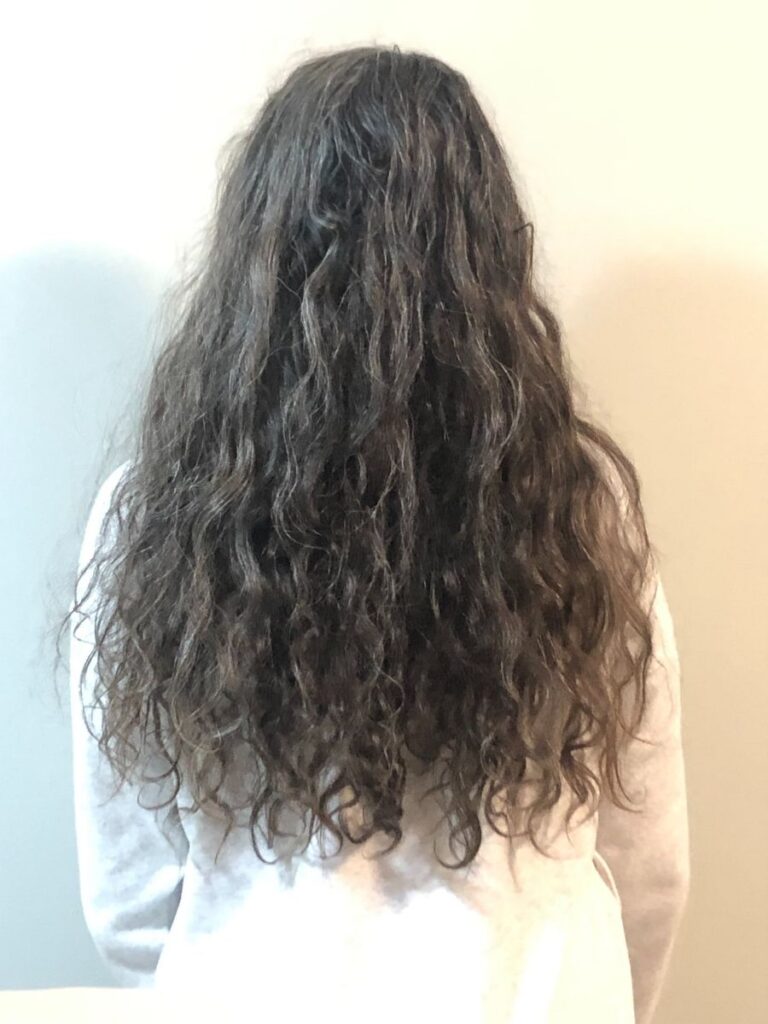
I haven’t had a haircut in over 2 years because I can’t bring myself to spend the money on it. That doesn’t mean I haven’t spent money in the past 2 years. I’ve spent lots of money, just minimal amounts on myself.
So, if you’re like me and have a hard time spending money on yourself or making large purchases, let’s dive into why this might be and how to overcome the anxiety over spending money on yourself.
Over Optimizing
Trying to over-optimize every expense or always get “the best deal” can often lead to analysis paralysis. This happens to me when I’m booking travel. It usually takes way longer than it should because I’m convinced that I can find the best deal out there. And that if I don’t find that deal, II shouldn’t “waste” my money booking at any other price.
Never mind that this short-sighted thinking ignores the value of my time and the hours I spend searching for the best price.
When you can take a step back and look at things, it’s easier to realize that getting the best price on something really doesn’t matter, especially if it prevents you from purchasing something in the first place.
Now, I’m all for saving money when I can. But the best price isn’t always the best value.
A Solution to Over-Optimizing
If you’re an over-optimizer and it’s giving you money anxiety, here is something that has worked for me.
Before making the purchase, decide in your mind how much you would be comfortable spending. Then as long as you can get the price you’re looking for, make the purchase. It doesn’t matter if there are better prices or someone else can find a better deal.
You’ve found a price that you're comfortable with. Make the purchase and move on. Save your mental energy for better things. I’m saying this for you as much as for myself.
Not Being Able to Afford It
Not being able to afford to spend money on yourself is very real for many. I realize that I’m in a very privileged place to afford my lifestyle comfortably. Hubby and I both have well-paying jobs that can support our family and hobbies (some of them are expensive).
But if I’m trying to save money for something or hit a specific saving rate goal, I have a tough time buying other things.
Even something as simple as eating out makes me uncomfortable sometimes. We can afford that meal out in the grand scheme of things, but I always think that money is better saved or used on something else.
I also have a slight fear that I might get too comfortable spending money. And that rampant increased spending could seriously derail us from achieving our financial goals. Do you ever feel like that?
If so, one thing to remember (that I remind myself of, too) is that not all spending leads to out-of-control spending. It’s okay to loosen the purse strings sometimes.
This post may contain affiliate links which means I may receive a commission if you purchase through my links. Please read my disclaimer for more information.
Solution for Not Being Able to Afford It
Having an emergency fund and a self-care sinking fund can help decrease the anxiety of spending money on yourself.
Knowing that you have money set aside for an emergency can give you the peace of mind that you’re taken care of even if you do spend money on yourself in some way.
Make a plan to set aside a little money every paycheque for yourself, or choose to fund it with the extra cash you have lying around, or maybe whenever you sell something second-hand or earn money at your side hustle, it goes into that account. However, you choose to fund the account, find a system that works for you.
The money in your sinking fund is for you to do whatever you want. Guilt-free.
An excellent place to have your sinking fund is at EQ Bank. Sign up for their no fee, no minimum, high-interest saving account using this referral link and get $20 when you deposit $100 within 30 days of opening the account.
It also helps to list what you would spend that money on. Then when the account builds up, go back and look at your list.
Also, realize that self-care or spending money on yourself doesn’t have to be overly expensive. Look for options you can afford instead of always looking for the most costly option.
One example is to get a massage at your local massage school for a fraction of the price. Getting services from students can be a win-win. They get the opportunity to learn, and you get a reduced rate.
This is precisely what I did when I started my latest round of therapy. I started working with a psychologist in training for a fraction of the cost. The experience has been positively life-changing for me.
Scarcity Mindset
Having a scarcity mindset implies that money is a finite thing. That there will never be enough and that you must guard it at all costs.
This leads to stress around spending money on yourself because you think that money is better spent somewhere else. Or if you spend that money on yourself, there will be no money to spend on your kids or your essentials.
A scarcity mindset might make it feel like spending money on yourself is excessive and possibly irresponsible.
But that can’t be further from the truth.
First of all, money is not a finite resource. There is always the possibility to make more money. It may not be a fun or pleasant experience, but it is possible.
And secondly, think about the airplane oxygen mask example. Put your mask on first before helping anyone else. But if you put someone else’s mask on first, you may not be able to save yourself.
So spending money on yourself in ways that help your mental health is like putting your own oxygen mask on first. The better you are, the better you can be for others.
Solution for a Scarcity Mindset
If you believe that a scarcity mindset is holding you back, you can try to help a couple of things.
One strategy is to remind yourself that money is not a finite resource. Sometimes just that little reminder is enough.
But if you need a more concrete solution, try opening a “spend money on yourself” account like suggested above.
The money in that account is ONLY for spending on yourself. And because you have earmarked it as such, there will be less guilt and anxiety when you choose to use it. When you allocate that money for that purpose, you are not taking money from anyone (or anything) else when you spend money on yourself.
Self-Worth
Negative self-worth is thinking that you are not worthy of spending money on yourself. But that it’s okay to spend money on others. It can lead to stress when spending money on yourself because you think of numerous other uses for that money.
And although this may be true sometimes and for some things, I guarantee it is not valid for everything all of the time.
Our past experiences with money and life in general influence our self-worth; it is sneaky and can work subconsciously so that we don’t even realize the impact it’s having.
That doesn’t mean that every time you stop yourself from spending money on something for yourself, it’s because you have negative self-worth. It’s complicated.
If you have anxiety over spending money on yourself and none of the other reasons mentioned seem to be the cause, you will probably benefit from some self-reflection. What in your past may be impacting the relationship between your self-worth and money?
Solutions for Self-Worth
One of the first things to do to work through negative self-worth is to realize it may be impacting you if you have stress around spending money on yourself and are not entirely sure why to try taking some time to reflect on it. Do you feel like you don’t deserve whatever you are thinking about spending money on? If so, why don’t you deserve it?
If you have identified self-worth as a potential issue, positive affirmations can help. It’s almost like a fake it til you make it scenario. Something as simple as stating “I am worthy of _____” can convince your subconscious of it.
This is not a be-all-end-all fix. Self-worth issues are often deep-seated and require more than an affirmation to fix. But developing a daily positive affirmation will not hurt.
Noble Distractions
Noble distractions occupy your money (or time). They are a false front to hide behind, distracting from the real issue. Noble distractions are the same as excuses for not doing something, but their noble nature makes them harder to recognize.
When it comes to spending money on yourself, a noble distraction could be your thinking that you should spend that money on your kids, your pet, your vehicle, or any number of other things. So by not spending the money on yourself, you are “doing the right thing.” And wanting to spend the money on yourself is full of guilt and feels “wrong.”
But here’s the thing, there is no “right” thing.
Nobel distractions of our time and money let us hide without feeling vulnerable. We are acting in a way that feels morally “right” but sacrificing ourselves (and maybe our happiness) in the meantime.
If you’ve ever felt like you should do something or should spend money on something, you may be hiding behind a noble distraction. Do you really “need” to do that thing or spend money on that other thing? Or could you spend the time doing something for yourself or spending money on something that brings YOU happiness?
Solutions for Noble Distractions
One effective solution to noble distractions is to get uncomfortable. Hiding behind things we “should” do feels comfortable because we don’t have to take risks or assert opinions. We are going along with the status quo or what we think everyone else wants.
The first step is to identify the noble distraction. Then it’s time to get uncomfortable to overcome the anxiety of spending money on yourself caused by the noble distractions.
Start small. Think of something small you could spend your money on for yourself instead of someone else. Then observe what happens. If you prioritize your kids, pets, car, fill in the blank here, what happens to them when you prioritize yourself?
We can slowly overcome the anxiety by taking baby steps. Remember, noble distractions are a fancy term for excuses.
About That Haircut
My avoidance of getting a haircut is all psychological. We have the money to afford it, yet I’ve still avoided it this long, even though I’m tired of having long hair.
One thing that’s holding me back is my desire to “get the best deal,” yes, at times, I’m an over-optimizer and have written about that previously. It’s irrational in this case.
When I sit down and think about it rationally, I'm probably still coming out ahead even if I get the most expensive haircut of my life. I usually get my hair cut once a year.
At this point, I have missed my past 2 haircuts. So whatever I end up paying, I can divide by 3 to figure out what my annual cost would have been. And chances are, that’s probably much lower than even the “best deal in the world.”
My scarcity mindset isn’t related to money but rather hair in this case.
What if I get a terrible haircut?
Well, the reality is that my hair will grow back. And now is the best time in my life to get a bad haircut. I’m currently on maternity leave, so I don’t have to go to work every day. I can wear a hat whenever I want in public to cover up a bad haircut. And we have no family pictures scheduled anytime soon.
Noble Distraction or Excuse?
I can list several noble distractions I tell myself to justify my lack of the desired haircut.
In the beginning, the pandemic restrictions stopped my annual hair appointment. With everything shut down, I couldn’t go, even if I wanted to. But hair salons have been open for months, if not a year at this point.
I tell myself that I can’t be away from my kids for that long. And although that may have been true when my little guy was a newborn, he isn’t anymore. His dad is competent and can easily be with both kids for the hour it would take me to get my hair done.
And then there’s the noble distraction of not knowing where to go. I don’t have a regular hairstylist. My previous one is no longer cutting hair. And the last haircut I got was not happy with. But I will never know unless I go and do it. And as stated above, hair grows back.
Something Deeper
The relationship between self-worth and money is difficult at times for me. I’ve worked really hard over the past few years to align my spending with my values. And to gradually be okay with not always saving as much as possible.
But by having anxiety over spending money on myself I avoid spending the money. Does this mean that subconsciously I don’t value myself? There is something deeper at play here. It’s not just about the haircut.
I am worthy of a good haircut. I can afford the price of a haircut.
My rational mind knows all of this. And yet, I still have not had a haircut in almost 3 years.
My next baby step is to make a haircut appointment; then, I’m more likely to get the haircut.
Solutions for Overcoming the Anxiety Over Spending Money on Yourself
Here is a recap of solutions you can try to help overcome any anxiety you may have when spending money on yourself. Not all of these solutions will apply to every situation. The key is first to identify what is causing the apprehension to spend.
- Determine a price you are comfortable paying, pay that price, and move on. Don’t keep searching for the “best price.”
- Set up a sinking fund for money to spend on yourself, and then plan how to spend that money.
- Remind yourself that money is not finite
- State the following affirmation: I am worthy of_______.
- Take baby steps in being uncomfortable
Final Thoughts
Humans are irrational beings. If we could sit down and think about things rationally, chances are many of our fears would be gone.
Yet, we can’t do that all the time.
Chrometophobia is real. Money dysmorphia is real.
Having anxiety over spending money on yourself is real.
I appreciate that I’ve made light of this situation by focusing on something that some think is insignificant (a haircut). But the reasons and emotions behind the money stress are anything but trivial. They can be deep-seated and all-consuming.
But that doesn’t mean they have to be permanent. Working through the causes and solutions above can help decrease the anxiety over spending money on yourself and overall money stress in general.
As for me, I’ve got a haircut to book.